Best Budget Live Streaming Setup for 2026: Gear I Actually Use
Build a budget live streaming setup with gear used across 2,000+ streams, including microphones, cameras, lights, Stream Decks, accessories and OBS.
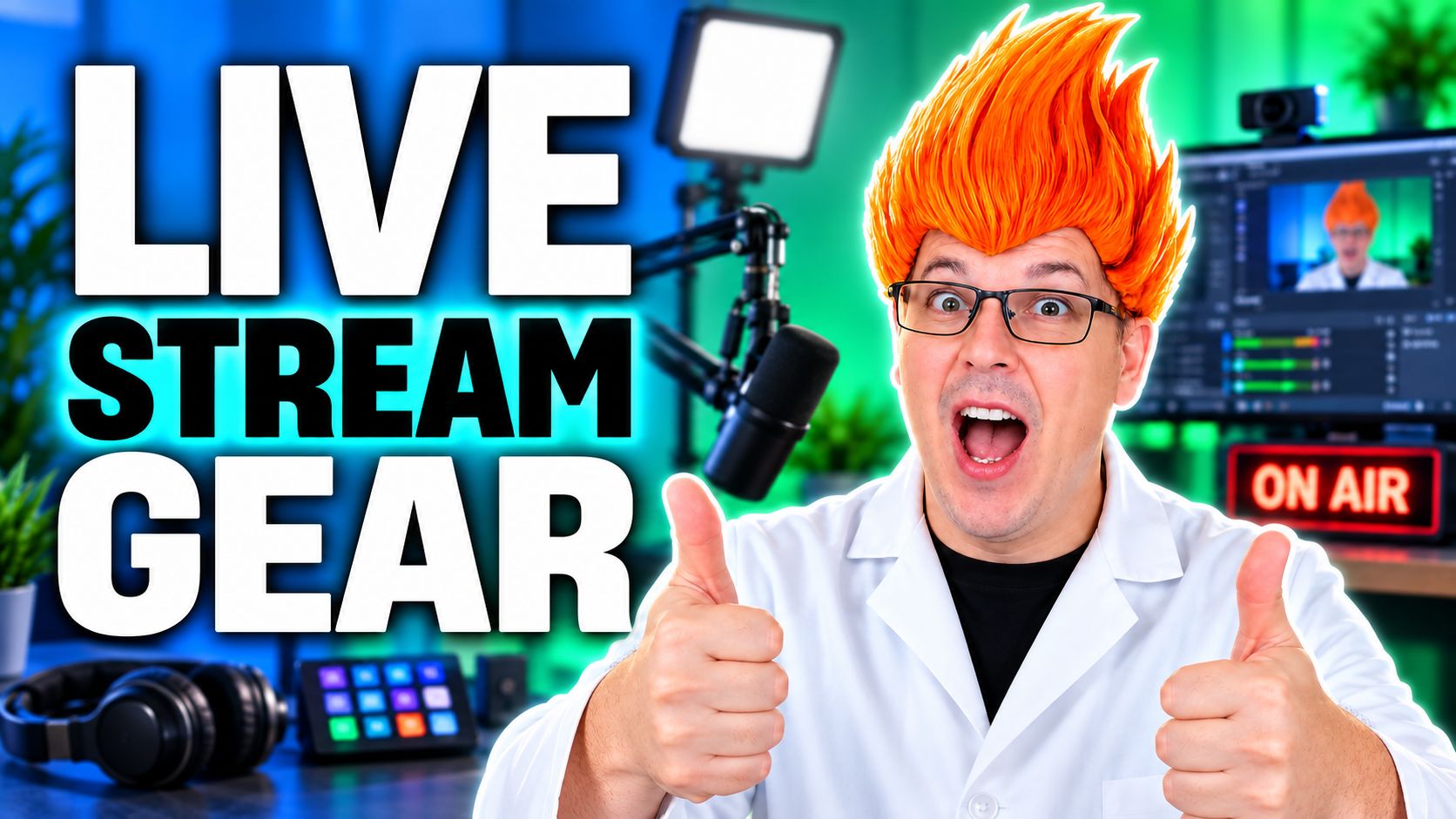
Updated September 2026. I have conducted more than 2,000 live streams, and I have always tried to keep my setup practical and budget-conscious. You can spend a fortune on streaming gear, but you do not need to buy everything at once to build a setup that looks and sounds good.
The better approach is to start with the pieces that directly affect the stream—microphone, camera, lighting and software—then add controls, monitors, docks, background lighting and other accessories as your workflow grows. This guide covers the live streaming equipment I actually use, have used for years, or regularly recommend.
Disclosure: I participate in the Amazon Services LLC Associates Program. Some links below are affiliate links, which means I may earn a commission from qualifying purchases at no additional cost to you.
Quick Answer: What Do You Need for a Budget Live Streaming Setup?
At minimum, you need a reliable computer, a microphone, a camera, enough light for the camera to see you clearly, and streaming software. Everything else makes the setup easier, more flexible or more polished.
- Microphone: clear audio comes first.
- Camera: a good webcam is enough for many people; a dedicated camera is an upgrade.
- Lighting: good lighting can make a simple camera look much better.
- Computer: use something stable enough to run the camera, microphone and streaming software together.
- Software: OBS is my primary tool, with Restream when I want to multicast.
- Optional upgrades: Stream Deck, extra monitors, mixer, dock, stands, accent lights and better studio storage.
My Live Streaming Gear at a Glance
| Category | Budget / Simple Choice | What I Use or Prefer | Upgrade / Special Use |
|---|---|---|---|
| Microphone | Shure microphone | Heil PR-40 + PL2T arm | Choose based on how complex you want the audio chain to be |
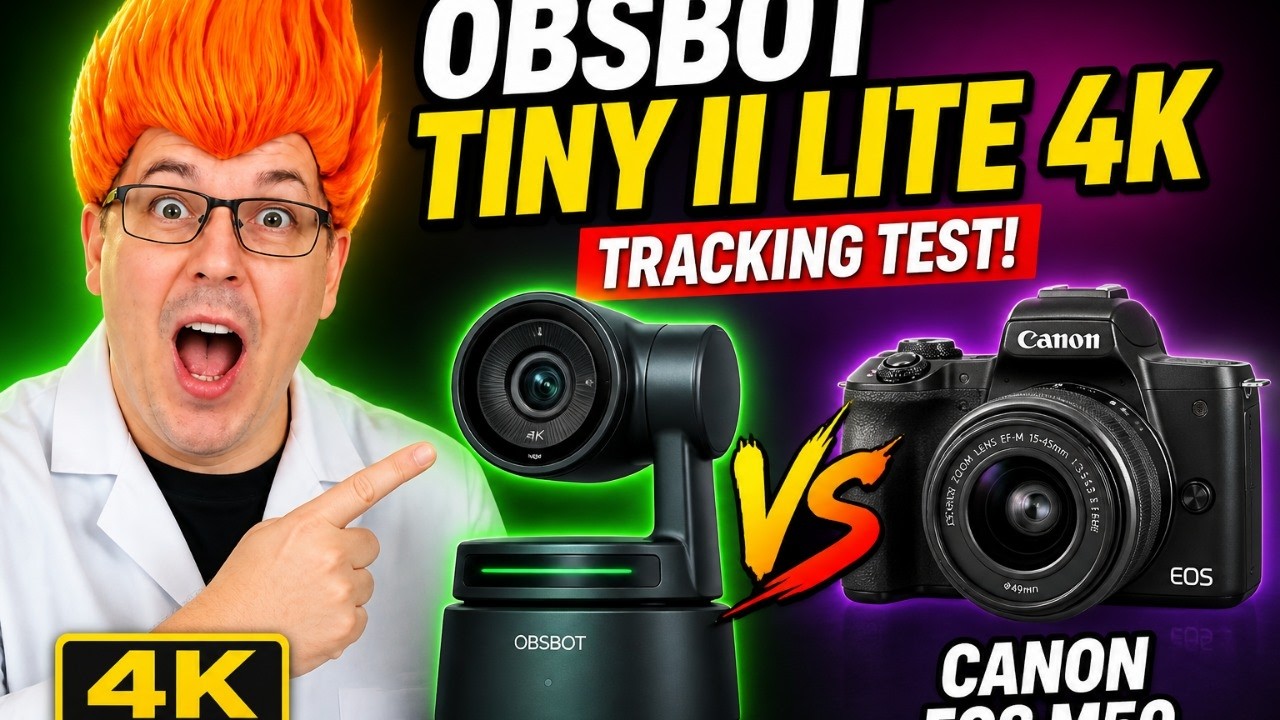
| Camera | Elgato Facecam | Canon EOS R50 | OBSBOT Tail Air PTZ |
| Lighting | Portable Elgato lights | Elgato Key Lights | Two or three desk-mounted lights for a fixed studio |
| Stream control | 6-button Stream Deck | 15-button Stream Deck | 32-button Stream Deck |
| Software | OBS | OBS | Restream for multicasting |
Best Microphones for Live Streaming
Audio is one of the first places I would get right. Viewers can tolerate a camera that is not cinematic. Bad audio is much harder to ignore.
Heil PR-40 + PL2T arm
I highly recommend the Heil PR-40 XLR microphone paired with the PL2T scissor arm. This is the more involved route because an XLR microphone becomes part of an audio chain rather than a single plug-and-play device, but it is a setup I am comfortable using in a fixed streaming space.
Shure microphone for a simpler path
If the Heil/XLR route sounds like more gear than you want to manage, I would look at this Shure microphone option. The point is not to make your first audio setup complicated just because a more advanced setup exists.
For more focused microphone comparisons, see my FIFINE K669B beginner USB mic guide, Shure MV6 USB-C review, and FIFINE AM8 USB/XLR review.
Best Cameras for Live Streaming
Canon EOS R50: my preferred dedicated camera
I prefer using the Canon EOS R50 for my main camera. I pair it with Canon’s EOS Webcam software, and it gives me the kind of video quality I want from a dedicated streaming camera.
Elgato Facecam: easier and more budget-friendly
If you want something easier to set up, the Elgato Facecam is the direction I would go. The software is easy to work with, and it fits nicely into an Elgato setup if you are also using their lights and Stream Deck.
OBSBOT Tail Air: useful when the camera needs to move
If you want a camera that can move around with you, the OBSBOT Tail Air PTZ camera is the option I point people toward.
Live Streaming Lights
Lighting is one of the easiest ways to improve how a stream looks without replacing the camera. My favorite dedicated streaming lights are Elgato Key Lights. If your studio never moves, I like the desk-mounted approach and would rather have two or three well-positioned lights than one light trying to do everything.
If you need something smaller or portable, Elgato also makes compact portable lights.
Stream Deck: The Upgrade That Changed My Workflow
The Elgato Stream Deck changed my live streaming workflow more than I expected. I have owned three versions.
- I use a 15-button Stream Deck in my home office.
- I use a 6-button Stream Deck for our church live stream.
- The 32-button Stream Deck is the larger option and has always been tempting.
You do not need a Stream Deck to begin streaming. It becomes valuable when you repeat the same actions every stream and want those controls under your fingers instead of hunting through software menus.
Computer, Monitors and Mixer
Computer
I used the same MacBook Pro for about five years. I do not necessarily love everything about it, but it has done the job. If I were replacing that setup, I would also consider a desktop-style computer option like this.
Monitors
I eventually replaced monitors that were roughly 15 years old with a pair of 24-inch Packard Bell monitors. Multiple screens are not required, but they help when you are monitoring the production, comments, product information and other windows at the same time.
Mixer
I only need one microphone input, so I do not use an elaborate soundboard. I like my small Behringer mixer; the Behringer mixer linked here is the newer version of the older unit I use.
The Accessories That Keep My Streaming Desk Working
These accessories should come after the core microphone, camera, light and computer, but they solve the little problems that show up after you stream repeatedly.
- Laptop stand: Lamicall laptop stand.
- iPad stand: Lamicall iPad stand for my Amazon Live streams.
- USB-C dock: my TobenONE HDMI/USB/Ethernet dock runs two monitors, three cameras, Ethernet, microphone, power and more into my MacBook through one USB-C connection.
- Power: this tower-style surge protector and this Echogear option with swiveling outlets.
- Main camera support: this tripod has held my camera for years.
- Overhead camera: an Elgato Facecam with a Neewer extender gives me the overhead shot I want.
Studio Storage, Background Lights and Desk
Off camera, I need somewhere to store products sent by vendors. I currently have six of these metal shelving units filled with products.
I am also a big believer in stopping the scroll. Part of how I do that is with Govee lighting behind me, including LED bulb lights, a neon rope light, floor lamps, M1 RGBIC lights and LED strip lights. I control them through the Govee app.
My main desk is an old, huge IKEA desk that has been around for roughly 20 years. I bought my son a sit/stand desk like this, and if I replace mine that is the direction I would go.
Live Streaming Software: OBS and Restream
I primarily use OBS Studio to organize and conduct my streams. OBS is free and lets you build scenes, bring in camera and audio sources, and stream using stream keys. It can feel clunky at first, but once you learn your workflow it becomes extremely capable.
When I need to multicast to more than one destination, I use Restream. You can use OBS as a virtual camera inside Restream Studio, or send the production from OBS to Restream and then distribute it to supported destinations.
Three Ways to Build the Setup
1. Simple beginner setup
- Shure microphone option
- Elgato Facecam
- One Elgato light
- Your existing capable computer
- OBS Studio
This keeps the number of moving pieces low and lets you start streaming without turning the desk into a studio project first.
2. Balanced home studio
- Heil PR-40 with PL2T arm
- Canon EOS R50
- Two or three Elgato Key Lights
- 15-button Stream Deck
- Two monitors
- USB-C dock
- OBS, plus Restream when multicasting
This is closer to the kind of fixed desk setup I like because each piece has a job and the controls stay in the same place from stream to stream.
3. Expanded product-demo studio
- Add the OBSBOT Tail Air when PTZ movement helps.
- Add the larger Stream Deck if you need more one-touch controls.
- Add a dedicated overhead camera position.
- Expand docks, power and monitors as the number of devices grows.
- Use Govee accent lighting when the background is part of the presentation.
- Add shelving and storage so products do not take over the working area.
What Should You Upgrade First?
If your budget is limited, fix the biggest problem in your current stream first.
- Audio: make sure viewers can hear you clearly.
- Lighting: improve the light hitting your face or product before assuming the camera is the problem.
- Camera: move from a basic webcam to a dedicated camera only when the simpler setup is actually limiting you.
- Workflow: add a Stream Deck, extra monitor or dock once repeated tasks start slowing you down.
- Studio polish: background lights, shelves and desk upgrades should come after the stream itself is reliable.
Budget Live Streaming Setup FAQ
How much does a live streaming setup cost?
There is no single number because you may already own the most expensive piece: the computer. A basic setup can start with a webcam, microphone, light and free software, then grow as you learn what is actually holding the stream back.
Do I need a mirrorless camera to start streaming?
No. I prefer the Canon EOS R50 for my dedicated camera setup, but the Elgato Facecam makes more sense if you want a simpler webcam workflow.
Should I use USB or XLR for live streaming?
Use the connection style that matches the complexity you want. XLR can become part of a more flexible audio chain, while a simpler microphone setup reduces the number of pieces you need to configure.
Do I need a Stream Deck?
No, but it becomes extremely useful once you repeatedly switch scenes, launch actions or control the same parts of the stream. I use Stream Decks in both my home office and our church streaming setup.
Do I need Restream if I already use OBS?
Not for a single destination. I use OBS as my primary production software. Restream becomes useful when I want to send the stream to more than one supported destination.
Related Live Streaming Reviews & Guides
- USB Podcast Microphone for Beginners: Is K669B Enough?
- USB-C Podcast Microphone: Is the Shure MV6 Easy?
- USB XLR Dynamic Microphone: Is the FIFINE AM8 Worth It?
Amazon Associates disclosure: As an Amazon Associate I earn from qualifying purchases.